Morocco is a country with a rich cultural history, and the doors of its cities provide a unique glimpse into its past. These traditional wooden doorways are adorned with intricate designs that tell stories not only about the people who inhabit them but also of Morocco’s expansive heritage as a whole. The artistry found in these doors exudes an air of mystery and freedom, allowing travelers to explore their subconscious desires for exploration and adventure. This article will dive deep into the fascinating symbolism behind Morocco’s ornate doorways and explain why they remain such an integral part of the culture today.
Traditional Doors of Morocco
The traditional doors of Morocco are both captivating and symbolic. They come in a variety of colors, ranging from deep red to bright blue and yellow. The vivid hues often signify the wealth or status of the home’s owner while contrasting with the sand-colored buildings that line many Moroccan streets. Beyond their aesthetic qualities, however, these doors can tell us much about Moroccan culture and traditions.
For example, one common belief is that different colored doors bring good luck and protection from evil spirits. Red is thought to guard against bad health; white wards off poverty; green symbolizes fertility; yellow brings happiness. These beliefs may be rooted in Islam as many symbols on the doorways contain Arabic writing and Islamic patterns such as those found in mosques throughout Morocco.
In addition to their spiritual significance, doors also have a practical purpose: they create an extra layer of security for a family’s belongings making it difficult for intruders to enter without being seen by neighbors or passersby. It also allows families to control who enters their homes – friends and relatives can easily identify which house belongs to whom based on its design and color pattern signifying not only safety but ownership as well.
The Significance of Moroccan Doors
The traditional doors of Morocco are a symbol of the country’s culture, history and art. From their intricate carvings to their vibrant colors, these doors not only serve as an entryway into homes and buildings but also represent something much deeper.
Moroccan doors have been imbued with symbolic meanings for centuries. Some believe that certain patterns or symbols on Moroccan doorways offer protection from evil spirits or bring luck and abundance. Others relate them to Islamic beliefs or symbolism such as the crescent moon representing faith in Allah. In addition, some designs feature geometric patterns which can be seen as interpretations of ancient mathematical formulas used by architects during this period.
Designs found on Moroccan doors range from complex geometric shapes to simple floral motifs. While many of the more sophisticated designs may appear intimidating at first glance, they often contain hidden messages about life’s beauty and fragility – reminding us all how precious every moment is and how quickly it passes by. The use of bold colors further highlights the importance of capturing life’s moments while they last; making each doorway a unique work of art that captures both beauty and emotion.
The Doors of the Royal Palace
The Doors of the Royal Palace in Morocco are a testament to the centuries-old architecture and customs of this North African country. The doors of the palace, which were built by Moroccan sultans centuries ago, have been designed with intricate detail and craftsmanship. Each door is made from handcrafted cedarwood that has been adorned with carvings depicting scenes from traditional stories or historical events.
The decorations on the doors also reflect royal customs that can be seen throughout Morocco today. For example, many of them feature ancient Islamic symbols such as stars or moons alongside religious inscriptions written in Arabic calligraphy. These symbols represent divine protection for those who enter the palace and signify an individual’s status within Morrocan society.
These symbolic markers adorning these magnificent doors also serve to remind visitors of Morocco’s rich cultural heritage and its long tradition of hospitality towards travelers from all over the world. From their grandeur alone, it’s clear why they remain a popular tourist attraction even to this day.
The Doors of Fez
The Doors of Fez have long been renowned for their captivating beauty and cultural importance. They are highly sought after by collectors from around the world, as they represent a unique combination of Islamic artistry and craftsmanship techniques that can be found nowhere else on earth.
Fez is home to some of the oldest doors in Morocco and possibly even North Africa itself. These ancient masterpieces provide insight into the lives of people who lived hundreds or even thousands of years ago, when these same pieces were crafted with time-honored tools and methods. The intricate details seen in each door speak volumes about both the skill level and creativity of the craftsmen who created them – it’s no wonder why they remain such an admired part of Moroccan culture today.
These majestic works of art carry more than just aesthetic value; they also serve as symbols of unity between different cultures, religions, and societies over centuries. Every door has its own unique story to tell, one that speaks to those interested in discovering new perspectives on life. To witness the Doors of Fez is to experience something truly special – a reminder that humanity has much more in common than we often think.
Doors of Marrakech
The ornate and intricate doors of Fez provide a stunning gateway between the ancient city’s medina, its palace, or its mosque. But as one journeys further south along Morocco’s coast, there is another type of door that awaits—those belonging to Marrakech. These are just as eye-catching yet distinct in their own right.
Rather than bronze knockers or intricately carved wood frames, these doors feature detailed mosaic designs with vibrant colors and patterns. The center of each design often features an elaborate arch which serves as both decoration and protection from those who seek entrance into the household. Some also include phrases such as “God keep this house” written in Arabic calligraphy for extra spiritual security.
These works of art vary greatly in size but they all share a common purpose: to create beauty while protecting what lies beyond them. Through this unique combination of form and function, Moroccan people have been able to express themselves through the medium of wood carvings for centuries without sacrificing any safety measures. From the tiled walls surrounding mosques to the painted façades adorning riads throughout the country, it is easy to see why many visitors fall under Morocco’s spell upon arrival at these majestic gateways.
Doors of Rabat
Rabat, the capital of Morocco, is a city renowned for its impressive doors. These grand entrances are not only functional but also aesthetically pleasing. They serve as both thresholds between public and private spaces, while simultaneously embodying traditional symbolism and artistic styles.
The ornate decor of these Rabati doors includes intricate carvings of geometric shapes, flora and fauna motifs that have been used to embellish them since ancient times. The inscriptions on many of these portals offer insight into the cultural history of this region. In addition to their symbolic beauty, they often feature large wooden frames with iron studs or bronze hinges in order to ensure maximum security against intruders.
These finely crafted doorways provide evidence of the skillful craftsmanship employed by Moroccan artisans throughout time. Not only do they represent an important part of the country’s architectural heritage, but they also remain a testament to the importance placed upon hospitality within local culture. As visitors pass through these gateways, it is evident why Rabat’s iconic doors hold such a special place in Moroccans’ hearts and minds.
Doors of Tiznit
The doors of Tiznit, located in southern Morocco, are renowned for their highly ornamental and painted designs. These designs make the city a popular tourist destination as visitors from around the globe come to admire the many intricately carved doorways that line its streets.
One such example is the Bab-Leblouh gate which stands at an impressive 3 meters tall and 2 meters wide. The intricate patterns that adorn this doorway were handcrafted by artisans who worked with great attention to detail, creating a stunning visual effect with colors ranging from white to blue and yellow. Other notable examples include Dar al-Badia (House of Wonders), which features elaborate carvings of birds, flowers, geometric shapes; or Sidi Mohammed Ben Abdallah Mosque whose arches are covered in complex floral motifs.
These doors symbolize centuries old Moroccan craftsmanship, as well as its people’s determination to maintain their culture and identity despite outside influences. Through these beautifully crafted entrances one can observe Moroccan artistry at its finest – carefully selected materials used for construction combined with skilled hands create unique pieces that stand out among all other works found throughout the country.
Output using numeric list:
The doors of Tiznit, located in southern Morocco, are renowned for their highly ornamental and painted designs. These designs make the city a popular tourist destination as visitors from around the globe come to admire the many intricately carved doorways that line its streets. Here is what makes them so special:
- The Bab-Leblouh gate stands at an impressive 3 meters tall and 2 meters wide – it features intricate patterns handcrafted by local artisans with colors ranging from white to blue and yellow;
- Dar al-Badia (House of Wonders) boasts elaborate carvings of birds, flowers, geometric shapes;
- Sidi Mohammed Ben Abdallah Mosque has arches decorated with complex floral motifs;
- All these structures showcase centuries old Moroccan craftsmanship that resists external influences while preserving traditional values embodied within these beautiful creations .
Doors of Chefchaouen
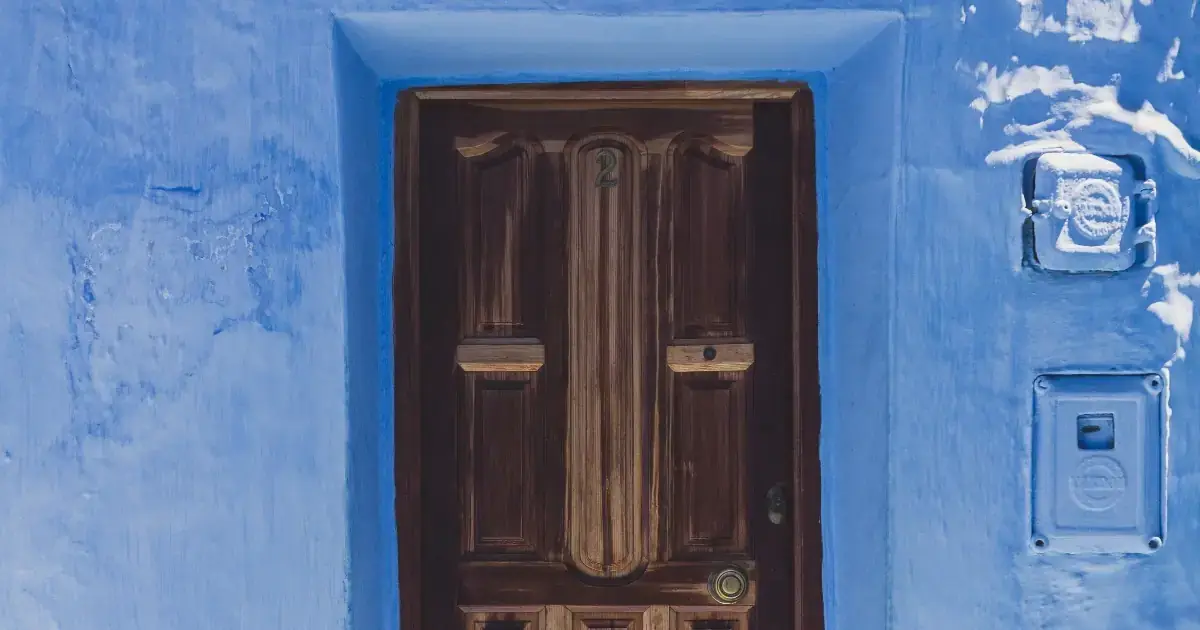
The doors of Chefchaouen are a reflection of the colorful culture and ancient history that can be found in Morocco. Located in the Rif Mountains, this city is known for its striking blue walls and doorways. The unique color creates an atmosphere of comfort and tranquility, as if one is being transported to another era. Its winding streets form narrow passageways lined with shops full of traditional wares from local artisans.
Chefchaouen has been a vibrant trading hub since it was founded by Moulay Ali Ben Moussa Ben Rached El Alami in 1471 CE. This prominent leader invited Jewish refugees fleeing persecution to resettle the area, which shaped much of Chefchaouen’s rich cultural heritage today. Visitors can find evidence of the influence these settlers had on the region through its quaint architecture, cobbled alleyways, markets selling spices and handicrafts, and homes painted in shades of blue or white.
This Moroccan town serves as a reminder that beautiful things can come out of adversity. It stands as testament to how combining cultures together can create something truly remarkable – something that will continue to captivate visitors for generations to come. Despite its tumultuous past, Chefchaouen shines brightly amongst other cities in Morocco due to its strong sense of identity rooted deeply in both tradition and progressivism alike.
Doors of Tangier
Whereas the blue-washed walls of Chefchaouen are adorned with intricate, ornate doors, those of Tangier reflect a more traditional Moroccan style. The doors of this northern city provide an insight into its historical and cultural importance as well as showcasing artisanal craftsmanship. As a gateway between Africa and Europe, Tangier has been influenced by many cultures which is reflected in the unique door designs found throughout the area.
The variety of styles range from intricately carved timber to elaborately patterned wrought iron panels and everything in between. Each carefully crafted piece has been designed to keep out intruders while simultaneously allowing natural sunlight to flood inside during the day. This combination creates a harmonious balance between privacy and illumination that is both aesthetically pleasing and practical.
Locally made items such as terracotta tiles, geometric patterns, brass knobs, hand-carved woodwork, ceramic plaques are all used together to create one-of-a-kind pieces that capture the spirit of Morocco’s vibrant culture. These creations form part of a timeless tradition that continues to draw people from around the world who seek out these remarkable works of art for their homes or businesses.