Dress in Morocco is a unique expression of culture, tradition and fashion that has evolved over centuries. It can be seen as an outward representation of the many layers of identity inherent within Moroccan society. From traditional djellabas to contemporary streetwear, dress in Morocco reflects both regional diversity and global influences. This article will explore the various aspects of dressing in Morocco and how this form of self-expression contributes to individual freedom and autonomy.
Traditional Djellabas
In Morocco, the traditional Djellabas are an integral part of the local culture and have become a symbol of pride among its people. These loose-fitting robes are typically made from wool or cotton fabrics that are locally sourced in various towns around the country. The garments come in many different colors and designs, making them popular for both casual wear as well as special occasions.
The style of dress traditionally worn by Moroccan men and women has evolved over time to incorporate modern trends while still maintaining cultural symbolism. For example, bright hues such as yellow and green are often used to represent joy and fertility, respectively. Likewise, certain patterns on the clothing may also hold spiritual significance depending on where it is being worn.
Djellabas remain a staple piece within Moroccan wardrobes today due to their versatility, comfortability, and durability; they can be dressed up with jewelry and accessories for more formal events or simply thrown over any outfit for everyday use. Whether paired with jeans or layered with other pieces of clothing, this timeless garment continues to provide locals with a sense of belonging in their homeland through its deep connection to the region’s history and heritage.
Traditional Babouches
In Morocco, traditional footwear is an essential part of the culture. Babouches are a type of slipper that have been crafted in the country for centuries, using artisan craftsmanship and traditional fabrics. They come in various shapes and sizes, with some being embellished with sequins or embroidery to add flair.
The local artisans create these shoes by cutting leather into different pieces which they then sew together before applying decorative touches. The soles can be made from either leather or rubber depending on preference. Traditional babouches often feature intricate designs such as tassels and beads which give them their distinct Moroccan look.
Babouches represent not only style but also tradition; they provide comfort while making a statement about one’s heritage and identity. Despite modern fashion trends, Moroccans take pride in wearing this timeless item of clothing and it remains popular today among both locals and tourists alike.
Traditional Headscarves
In Morocco, traditional headscarves are an important part of the culture. They come in a variety of styles and colors that have different meanings associated with them depending on regional variations. Headscarves serve as symbols of modesty and respect for women all over the country, but they also play a role in personal style. The cultural significance attached to headscarves is highly varied across regions and can even signify marital status or occupation.
The most popular type of head scarf worn by Moroccan women is called al-laili, which means “night” in Arabic because it is traditionally black in color. This type of head covering has its roots in Islamic tradition and usually consists of two rectangular pieces of fabric sewn together around the sides, allowing it to cover the hair completely while leaving room for decorative accessories like brooches at the front. Other types include shashiyyah (which covers only half of the face) and sarouel (more commonly known as haik), which consist of one large piece draped over the body from shoulder to ankle with a hood that covers the head.
Headscarves also vary greatly based on region; certain patterns may be more common in urban areas compared to rural ones, or vice versa. In some places, wearing colorful scarves can indicate social standing or wealth while others associate brighter shades with youthfulness and fertility. Additionally, jewelry such as earrings or necklaces may accompany these garments to give them added meaning according to local customs and beliefs. All these details contribute to making headscarves an integral part of Moroccan culture that cannot be overlooked when discussing traditional clothing styles.
Embroidered Kaftans
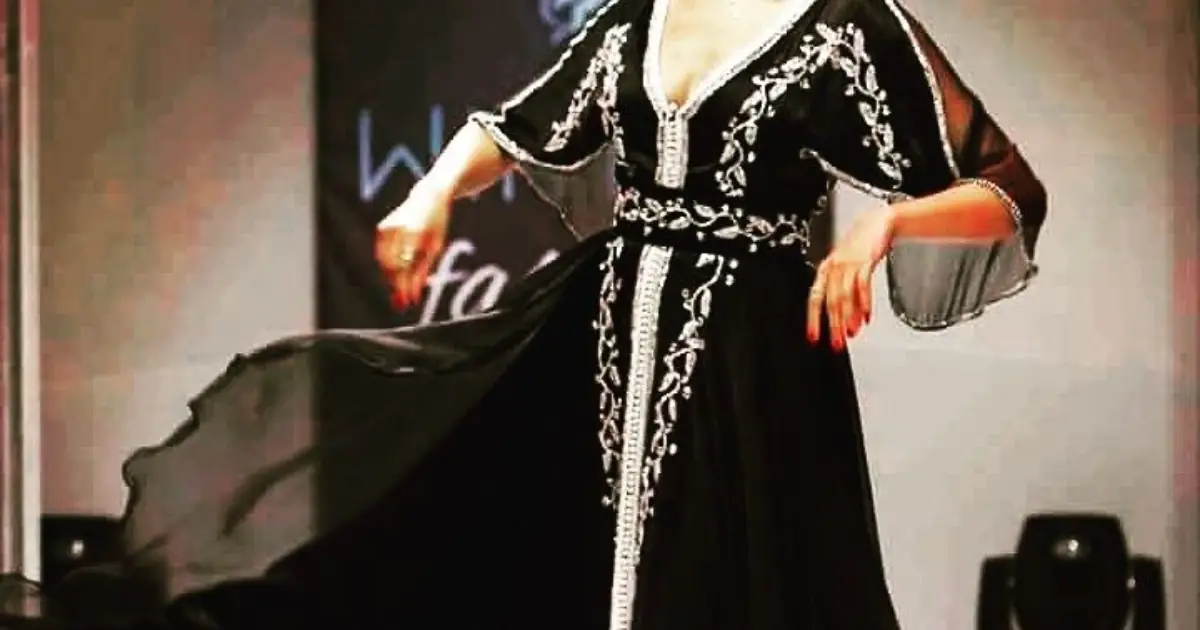
The traditional dress of Morocco is known for its intricate embroidery and cultural symbolism. Kaftans, or djellabas, are a popular type of clothing among Moroccan men and women made from richly textured fabrics decorated with detailed handcrafted details. As an item of attire that provides both comfort and fashion to the wearer, kaftans have become symbolic of the freedom enjoyed by Moroccans in their daily lives.
Kaftans come in a variety of styles, including short-sleeved versions for warmer months and long-sleeved varieties for cooler climates. They typically feature uniquely designed collars as well as bold patterns featuring floral designs or geometric shapes. The neckline can be embellished with various types of trimmings such as pompoms, tassels, ribbons, or sequins. In addition to providing visual appeal, these decorations add depth and complexity to the overall look of the garment.
Embroidered kaftans often contain symbols that represent important aspects of Moroccan culture. These include stars which represent good luck, birds which symbolize peace, eyes which ward off negative energy, and arches representing protection from evil forces. By wearing these meaningful pieces of clothing, Moroccans can express themselves while honoring their heritage at the same time.
This traditional style has been embraced by modern society due to its versatility – it can easily be dressed up or down depending on occasion. Whether worn during casual outings or special events such as weddings or religious ceremonies, kaftans remain fashionable items that evoke feelings of pride and freedom in those who wear them.
Traditional Robes
In Morocco, traditional robes are a staple of the local culture. They come in many different styles and colors that reflect their unique cultural heritage. Embellished caftans, also known as jelabas or djellabahs, have been worn by men for centuries. These long-sleeved garments feature intricate embroidery and bold hues of blue, green, purple, and red to symbolize royalty and prosperity.
Women’s traditional dress is equally vibrant with colorful mules often accompanying elaborate outfits. Mules are loose trousers made from lightweight fabric like silk or cotton that provide extra coverage – perfect for hot desert climates! Alongside mules, women typically wear tunics called takchitas which can be found in a variety of fabrics such as velvet or satin – some even encrusted with Swarovski crystals!
The combination of these two traditional garments creates an eye-catching ensemble that has become increasingly popular among locals and tourists alike. From weddings to religious celebrations, Moroccan fashion continues to draw inspiration from its rich history while evolving alongside modern trends.
Traditional Jellabiyas
The traditional jellabiya , also known as a djellaba or galabiyya, is an iconic garment in Morocco that has been celebrated for centuries. It serves both practical and cultural symbolism functions; its loose-fitting design provides comfort to the wearer while simultaneously representing cultural values such as modesty and piety. In recent years, this traditional dress style has become increasingly popular among Moroccans of all ages due to the fashion trends it represents. The jellabiya can be seen worn on multiple occasions from special events like weddings and religious holidays to everyday errands around town. Its versatility and timelessness makes it a wardrobe staple in many Moroccan households.
The jellabiya comes in various colors and fabrics ranging from lightweight linen to thick woolen materials depending on one’s climate preference. Common features typically include long sleeves, a hooded headpiece with drawstrings, intricate designs embroidered onto the fabric, an ankle-length skirt with slits on each side for ease of movement and accessorizing options like sashes, scarves or jewelry pieces. Layering is also encouraged when wearing a jellabiya – women may opt to wear another garment underneath such as jeans or trousers during colder winter months.
This versatile piece of clothing has earned its place in the hearts of Moroccans across generations who appreciate not just its aesthetic appeal but its ability to transcend time itself by remaining relevant no matter what era we are living in today. An essential part of any Moroccan’s wardrobe, this timeless symbol of culture continues to bring joy and pride wherever it goes.
Traditional Jewelry
Moroccan jewelry has been of tremendous importance to its culture and is highly esteemed throughout the region. It reflects distinct influences from both traditional fabrics and cultural influences, providing an insight into what life in Morocco was like for centuries. Below are three ways that Moroccan jewelry embodies this rich history:
This deep-rooted respect for tradition continues today, even though contemporary styles may be adapted within each piece’s unique blend of old world craftsmanship and new world fashion sense – making Moroccan jewelry truly one-of-a-kind.
Shawls and Scarves
Shawls and scarves are an integral part of the traditional Moroccan dress. These items, although mainly serving a practical function, have become deeply associated with cultural trends in Morocco over time. Shopping for these pieces is often seen as a social activity; however, it is important to keep in mind certain etiquette when doing so.
A key consideration when shopping for shawls and scarves in Morocco is the level of respect given to shopkeepers and vendors. It is essential to be polite and mindful of local culture while bargaining prices or making inquiries about products. Additionally, many shops require visitors to remove their shoes before entering – this should always be respected as a sign of good faith towards merchants.
Finally, shoppers in Morocco should remember that fashion and style are highly personal choices. Although there are certainly popular trends among Moroccans today, dressing should ultimately reflect one’s own sense of identity without sacrificing comfortability or convenience. With its rich history and diverse cultural influences, Morocco provides plenty of opportunity for anyone looking for unique clothing options that can make them stand out from the crowd.
Modern Jumpsuits
Modern Jumpsuits have become a popular dress style in Morocco. They provide the perfect blend of comfort and elegance, allowing women to express their unique personality while staying on trend with current fashion. With many different styles available, jumpsuits are an ideal way to mix and match clothing items for any occasion.
One great feature of modern jumpsuits is that they can be layered easily with other pieces such as jackets or shawls. This allows wearers to adjust their outfit depending on the temperature or environment, making them versatile enough for everyday wear as well as special occasions. Additionally, layering also provides more opportunities for expressing one’s individual style through mixing and matching different textures and fabrics for a truly unique look.
Moroccan women enjoy wearing modern jumpsuits because they flatter all body types while providing freedom of movement at the same time. Not only do these garments offer versatility when styling outfits but they also come in various colors, patterns, and designs so there will always be something new to discover! Here are some ways Moroccan women make use of this stylish garment:
- Mixing and Matching Colors – Women often pair bright colored tops with neutral bottoms for a bold yet elegant look.
- Outfit Layering – By adding accessories like cardigans or scarves, women can further accentuate their personal style by creating multiple looks from just one piece of clothing.
- Accessorizing – Wearing jewelry or belts over jumpsuits helps create even more interesting combinations without having to add too much complexity.
Trousers and Jeans
In Morocco, trousers and jeans are essential items of clothing for both men and women. The preference is generally to wear trousers or jeans that fit close to the body in a classic style without being too tight. While tailored jeans may be worn on more formal occasions, relaxed-fit styles are typically seen in everyday life. Mix and match styling with jackets, shirts, and scarves can create an individual look as well as help keep up with current accessorizing trends.
The color palette for trousers and jeans tends to be quite neutral – usually shades of black, navy blue, gray, or khaki green. However, brighter colors such as reds and yellows have been gaining popularity among certain groups within the country. Moreover, there has recently been an increase in demand for ripped denim that is patched together with different colored fabrics or embroidery elements.
When it comes to purchasing the right pair of trousers or jeans for any occasion one should consider comfort first along with quality tailoring – this will ensure longevity regardless of changing fashion trends. Therefore by taking into account all these factors when selecting appropriate garments you can easily put together stylish ensembles suitable for day-to-day activities while also achieving personal expression through mix and match styling techniques aimed at creating interesting combinations that reflect your individuality.