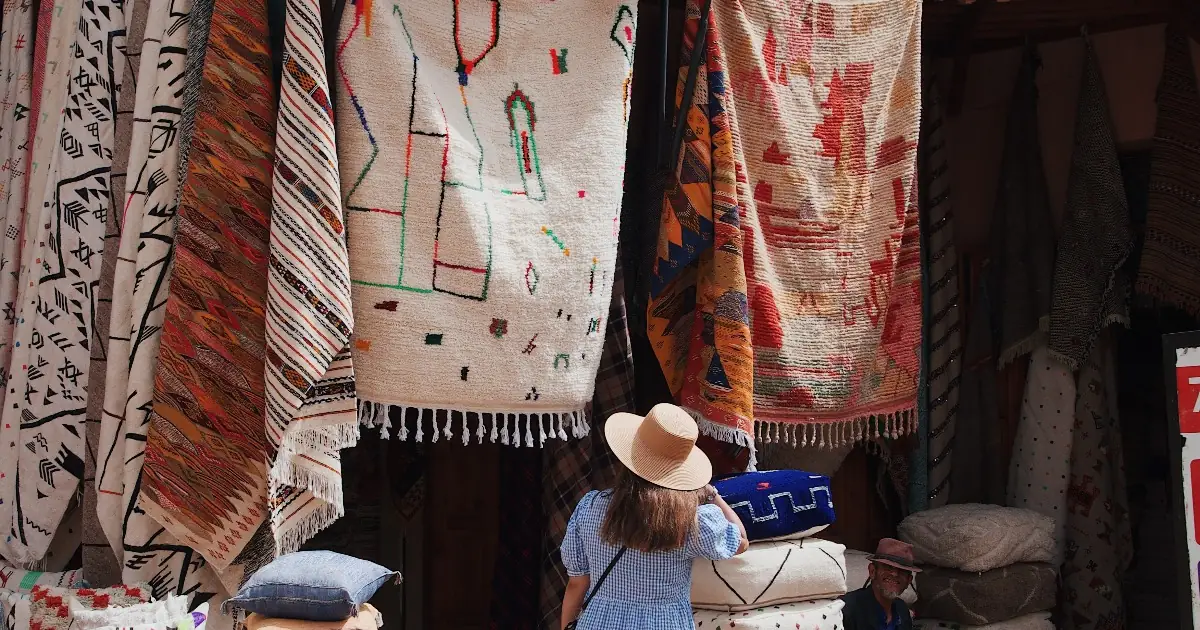
Morocco is a country known for its vibrant culture, lush landscapes and unique traditional arts. Among these are the handcrafted rugs that have been woven in Morocco since time immemorial. These masterpieces of craftsmanship come in various sizes, designs and colors, all steeped in centuries-old symbolism and cultural significance. With their exquisite beauty, these Moroccan rugs carry an unmistakable air of freedom that captivates the hearts of onlookers who yearn to be liberated from life’s mundane routines. This article will explore the history, traditional techniques used and symbolic meaning behind Moroccan rugmaking.
History of Rugs in Morocco
Rugs have been an integral part of Moroccan culture for centuries. Originally, the designs were based on Berber tribal patterns with geometric shapes and vibrant colors. Over time, they began to incorporate more intricate details from different cultures as a result of trade between Morocco and other countries such as Turkey and Persia. This has resulted in unique styles that are now emblematic of the country’s rugs.
Today, there is still a strong emphasis on traditional weaving techniques; however, modern trends have also had an influence on Moroccan rug production. These include materials such as cotton or silk being used alongside wool, as well as abstract motifs featuring folkloric elements taking precedence over geometric shapes. Color palettes have become brighter too, making them popular among Western buyers who are searching for something special and distinctive.
Moroccan rugs remain highly sought after by collectors around the world due to their exquisite craftsmanship, quality materials, and interesting combination of cultural influences. As a result, these iconic pieces continue to be produced today while maintaining their timeless appeal.
Types of Rugs
Rugs are an integral part of Moroccan culture, with a history spanning centuries. From the lavish tribal rugs to the more modern designs and production methods, they have been used by locals for practical purposes as well as decorative ones. The traditional styles of Moroccan rugs vary depending on the region or tribe creating them, but all share unique features that set them apart from other cultures’ rug-making practices.
In terms of design, traditional Moroccan rugs usually feature bold geometric patterns in vibrant colors with intricate details woven into their texture. These pattern variations can be further broken down into categories such as boucherouite (using recycled fabrics) or kilim (flat weaves). Many rugs will also showcase symbols and motifs reflecting local customs and beliefs, often aimed at bringing good luck and protection to those who own them.
Moroccan craftsmanship has long been admired worldwide due to its high quality materials and attention to detail in both weaving techniques and aesthetic appeal. This type of rug is known for its durability which makes it ideal for everyday use without compromising its beauty over time. Thus, these unique pieces serve not only as stunning decorations but also act as important cultural artifacts representing various aspects of Morocco’s heritage.
Flatweave Rugs
Flatweave rugs are an important part of Moroccan tradition and culture. These traditional pieces are woven with various techniques to create beautiful, intricate designs that can be used for both decorative and practical purposes.
The weaving technique used in flatweave rugs is unique among other rug-making styles because it requires a loom instead of knots or pile loops. The process involves passing the warp threads over and under each weft thread to form a tight mesh pattern. This method allows for intricate geometric designs to be made, as well as more abstract patterns that may represent stories or symbols from local folklore. In addition, the colors chosen for these pieces often have symbolic meaning within their particular cultural context.
As such, flatweave rugs play an important role in Morocco’s history and culture; they continue to be treasured by people all around the world today due to their timeless beauty and craftsmanship. Each piece is truly one of a kind, representing centuries of skillful artistry passed down through generations of master weavers.
Kilim Rugs
The flatweave rug is a distinct type of Moroccan craftsmanship, but the kilim rugs are also highly desirable. The intricate patterns and vibrant colors associated with this style of carpeting often draw admiration from those who appreciate traditional artistry. Kilim rugs have been around for centuries, woven by hand using various dyeing techniques and weaving methods that can take months to complete.
Kilim rugs differ in their texture compared to flat weave carpets due to their unique weaving method; instead of interlacing two sets of warps and wefts as in standard flatweaves, the pile threads create an open warp-faced structure known as tapestry weave. This results in a much thicker, durable fabric which has become very popular amongst home decorators looking for something special.
It is not uncommon to see these distinctive designs adorning floors or walls throughout Morocco, providing an eye-catching reminder of traditional craftsmanship and culture. With endless options available in terms of color combinations and motifs, it’s easy to understand why they remain such a sought after item worldwide today.
Boucherouite Rugs
Boucherouite rugs are a one-of-a-kind type of rug found in Morocco. They have become popular due to their unique design and vibrant colors, as well as the fact that they are made from recycled materials such as scraps of fabric and old clothing. These rugs carry with them an element of folklore, representing the creative upcycling efforts of Moroccan artisans who craft these pieces by hand.
The weaving process for a Boucherouite rug begins with preparing the base material which often consists of multiple strips or patches sewn onto jute backing fabric. Once this is complete, the artisan will begin knotting yarns and threads around each patch to form intricate designs, resulting in a highly textured surface full of color contrasts and patterns. The final product is both sturdy and lightweight – perfect for any setting!
Whether used as decorations on floors or walls, Boucherouite rugs can be seen everywhere in Morocco today – breathing life into homes while also providing meaningful work opportunities for local artisans.
- They provide a sustainable way to re-use discarded fabrics;
- Their bright colors bring vibrancy into any room;
- And their unique design gives off an air of traditional folklore.
Beni Ourain Rugs
The Boucherouite rug-making tradition is one of Morocco’s most celebrated craftsmanship, but it is not the only type of Moroccan rug worth discussing. Beni Ourain rugs are also a unique and beautiful addition to any living space. Handcrafted by artisans in remote areas of the Atlas Mountains, these woolen works of art are highly sought after for their cultural symbolism and artisan techniques.
Beni Ourain carpets have been part of Berber culture since ancient times and were traditionally used as bedding or floor covering during winter months when temperatures can drop below freezing. The designs often feature tribal symbols representing fertility, protection, good luck and health – all important elements in traditional Berber beliefs. This makes each Beni Ourain rug an individual piece that reflects its maker’s culture and history.
These exquisite rugs are made from soft sheep’s wool, which has natural oils making them more resistant to dirt and dust than other materials. The process begins with shearing the fleece off the sheep before spinning it into yarn on a spindle wheel in order to create the intricate patterns featured on Beni Ourain rugs. Skilled weavers then use this yarn to hand knot every single strand together until they make up the full design of the carpet. Such special attention ensures that each finished product is truly remarkable and timelessly stylish.
Azilal Rugs
Azilal rugs are a popular style of rug from Morocco. These hand-knotted rugs are made using traditional techniques, but have been adapted to create modern variations. Azilal rugs typically feature geometric patterns in contrasting colors to create eye-catching designs that can be used as decoration or wall hangings. The bright and bold color palette is often seen in these carpets, making them an ideal choice for those looking to make a statement.
The weaving process begins with the preparation of the wool, which is washed and dyed before being spun into yarn by local artisans who use their skills to produce high-quality pieces. This yarn is then knotted onto a loom and woven together to form intricate patterns that showcase traditional motifs such as diamonds, stars, sunbursts, and other symbols of Moroccan culture. With some creativity, weavers can even add unique touches like tassels or fringes for extra detail.
Azilal rugs offer an affordable way to bring beauty and sophistication into any home without breaking one’s budget. As well as adding texture and warmth to any room, they also act as conversation pieces due to their vibrant colors and distinctive design elements. Whether hung on walls or placed on floors, these handmade pieces will surely make a lasting impression wherever they are put on display.
Boujad Rugs
Boujad rugs have been produced in Morocco for centuries by local artisans who use traditional techniques and natural dyes. These handmade carpets, characterized by their unique colors and geometric patterns, are highly sought after due to their beauty and cultural significance. The production of Boujad rugs is a sustainable process that often involves multiple generations of the same family working together. From wool harvesting to dyeing, spinning thread and weaving, each step requires skilled craftsmanship handed down from generation to generation. As such, these pieces represent both an important part of Moroccan culture as well as a reflection of its deep-rooted history. In addition to being aesthetically pleasing works of art, these rugs provide economic opportunities for many families within the country.
Beni Mguild Rugs
Following the Boujad rugs of Morocco, Beni Mguild rugs are another important type. These handmade beauties feature traditional motifs like diamond shapes and stars, as well as intricate geometric patterns. Color symbolism also plays an integral role in these designs; for example, red is a sign of joy while blue represents health. The wool used to create them is dyed with natural pigments that bring out the vibrant hues associated with this style of rug-making.
The creation of Beni Mguild rugs dates back centuries, though their popularity has risen significantly in recent years due to their eye-catching design elements. They make excellent additions to any interior space thanks to their unique look and texture – both visually appealing and soft underfoot.
Beni Mguild rugs can be found all over Morocco and beyond, from small towns to big cities. It’s no surprise they’ve become so sought after given their timeless beauty and cultural importance. With such craftsmanship behind each piece, it’s easy to see why they remain a favorite among Moroccan rug collectors today.
Hand-Knotted Rugs
Rugs have been a cornerstone of culture and artistry in Morocco for centuries. Hand-knotted rugs are one of the most admired types, crafted by expert weavers who use traditional techniques to create intricate designs that tell stories about their lives and heritage. The craftsmanship involved in rug making is an essential part of Moroccan identity, with each piece taking weeks or even months to complete.
Dye sources are just as important as weaving when it comes to creating these unique works of art. Natural dyes such as vegetable matter, berries, roots, and bark have traditionally been used to give rugs vibrant colors that last for generations. By using these natural materials, craftsmen can bring out the best qualities of their work while maintaining authenticity.
The combination of tradition and innovation has allowed Moroccans to create some of the world’s finest hand-knotted rugs over time. These pieces often feature complex patterns that reflect local customs and beliefs, offering a glimpse into the country’s rich cultural history. From elaborate floral motifs to geometric designs inspired by Islamic architecture, every aspect of these rugs speaks volumes about Morocco’s unique character and proud artistic legacy.